

 Tiếng Việt
 Introduction
 Relics
 Sponsorship
 Festival
 Exhibition
 Library
 News & Events
 Support for visitors
 Contact us

NATIONAL SPECIAL RELIC SITE
DONG DA MOUND
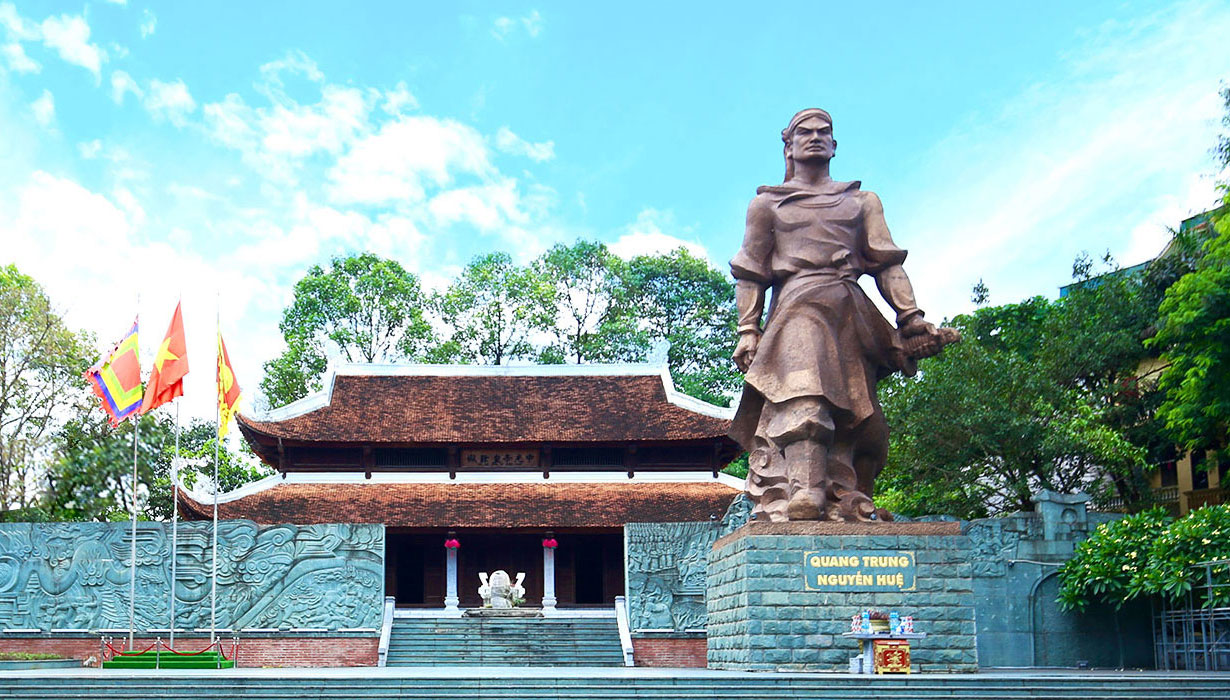
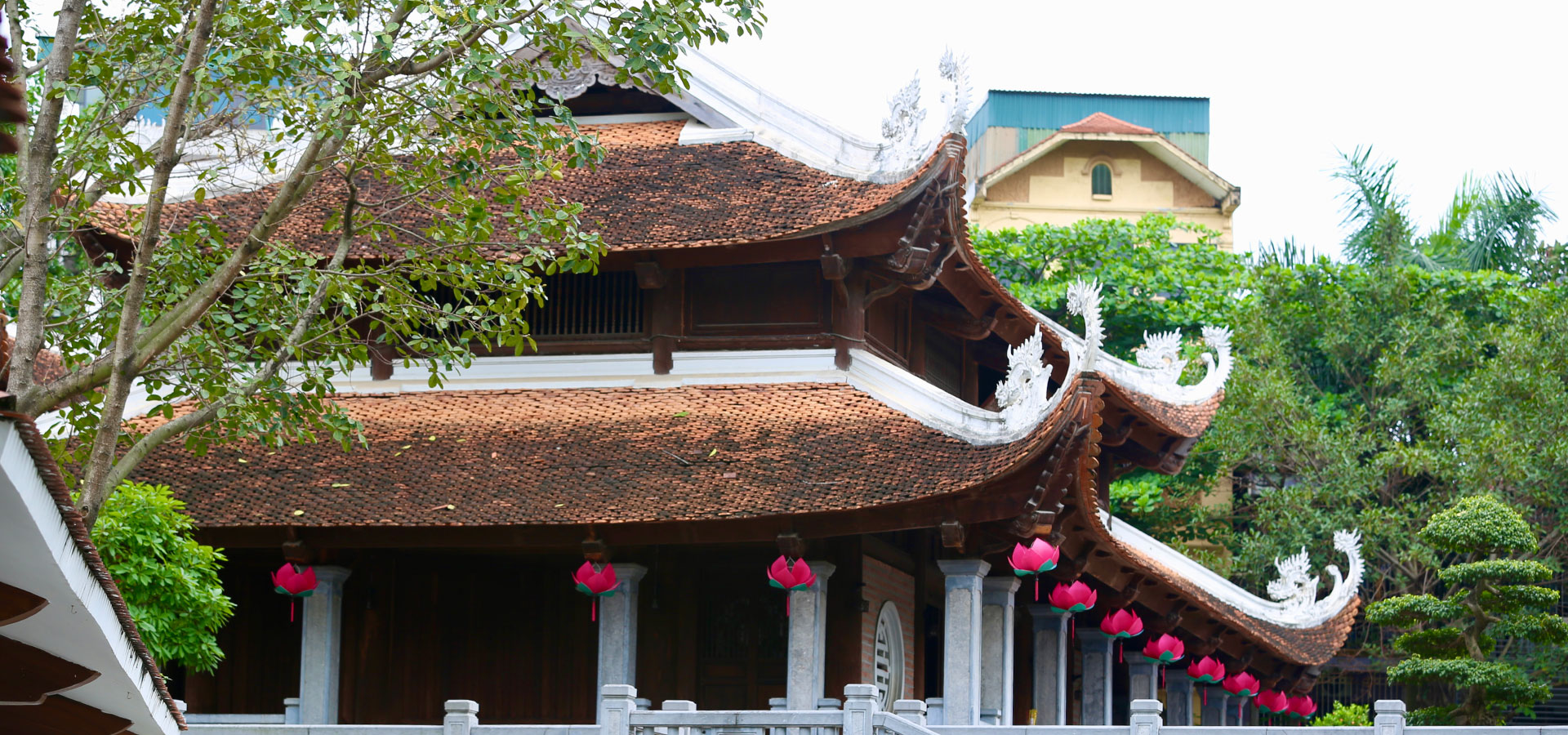
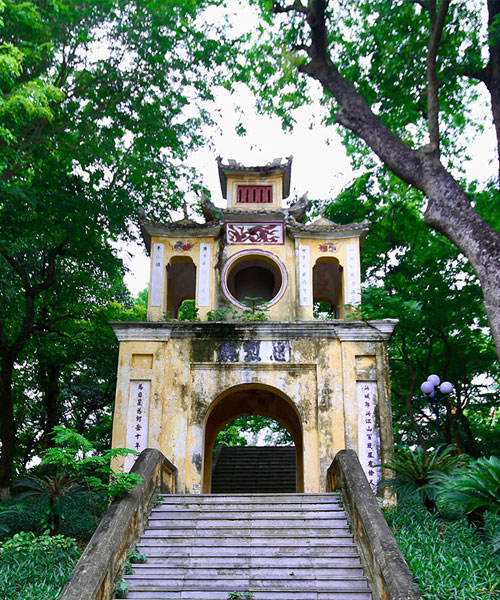
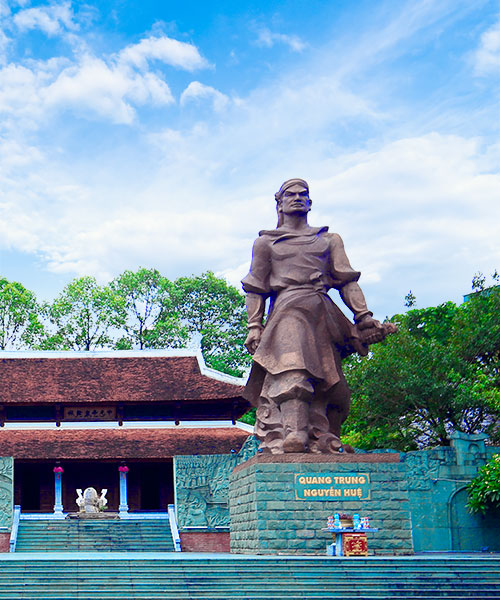
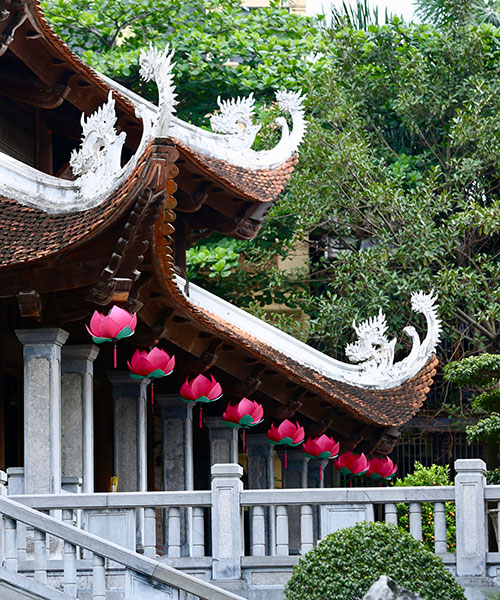
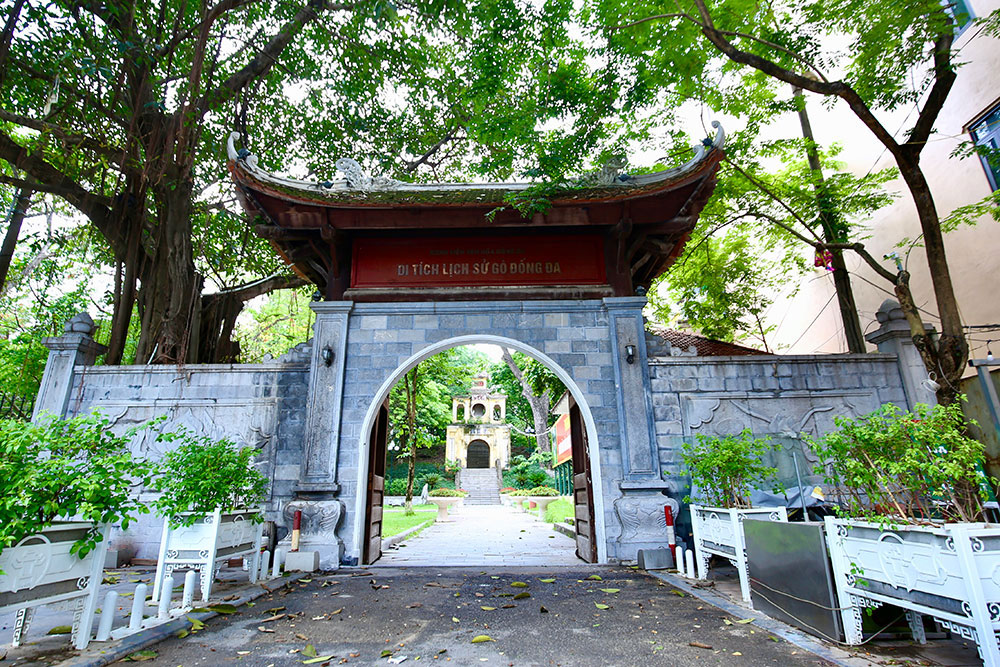
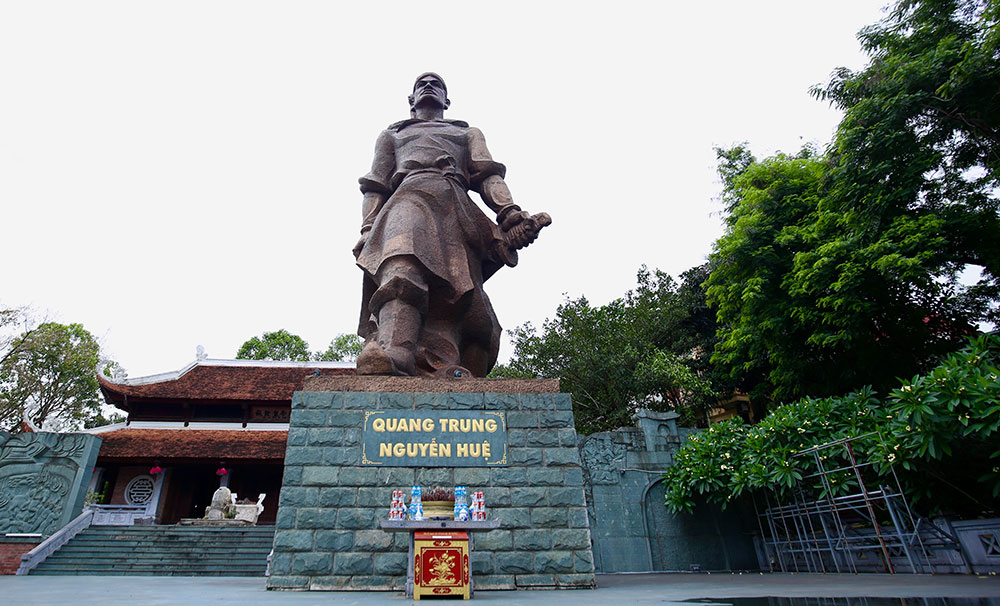
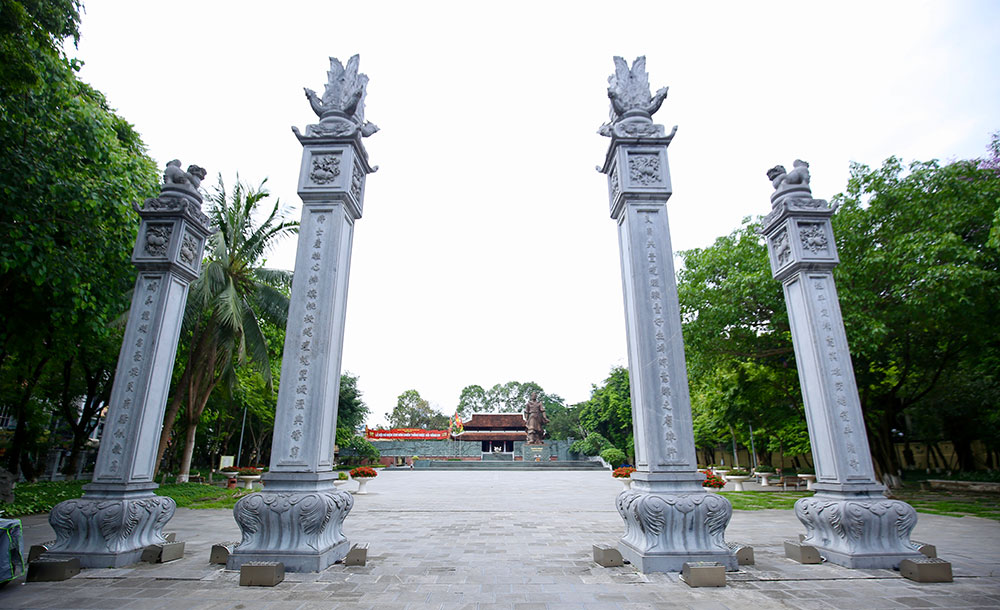
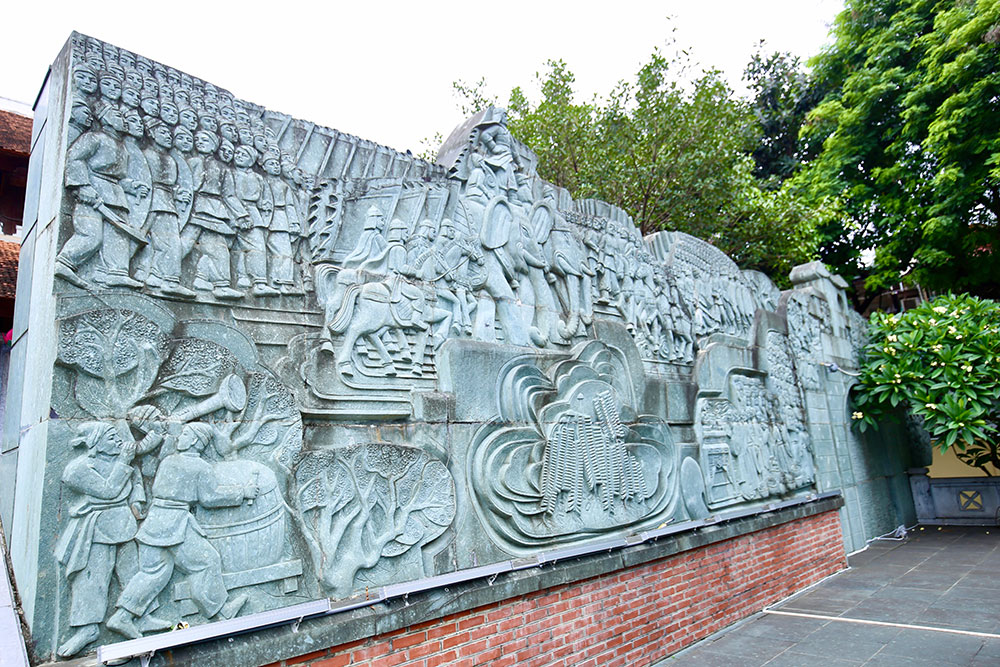
Dong Da Mound is located in Quang Trung ward, Dong Da district, Hanoi city. According to old historical records and the recollections of the elders in Thinh Quang village, Dong Da Mound was formerly located in Khuong Thuong village, Quang Duc district, Thuan Thien Prefecture. This is also one of the battlefields where the great defeat of the Qing army by Emperor Quang Trung took place in the spring of “Kỷ Dậu” year (1789).
TYPICAL MONUMENTS
EXHIBITION
Diagram of Phuong Hoang Trung Do citadel
During his military marches from Phu Xuan to the North, Nguyen Hue quickly realized that Bac Ha (North of Dai Viet country, from the Gianh River border line) was a difficult place to govern, prone to incidents, and too far from Phu Xuan to Thang Long. Therefore, he had the intention of establishing a new capital closer to Bac Ha. The place Nguyen Hue chose was Nghe An. Nghe An is the halfway point between Phu Xuan and Thang Long, convenient for travel. Another reason is that Nghe An is Nguyen Hue’s ancestral land. The Nguyen family in Tay Son is originally from the Ho family in Hung Nguyen, Nghe An. Setting up the capital in Nghe An is also easy to win people’s hearts when the people of this country have suffered because of the war and hate both King Le – Lord Trinh in Dang Ngoai and Lord Nguyen in Dang Trong.
After many times choosing land for construction, finally the new citadel of King of Northern Conquering Nguyen Hue – later King Quang Trung, was also started. Phuong Hoang Trung Do, also known as Trung Kinh Phuong Hoang Citadel, was built between Phuong Hoang mountain (ie Dung Quyet mountain) and Ky Lan mountain (ie Meo mountain), in old Yen Truong commune, Chan Loc district (now belongs to Vinh city, Nghe An province). The word “Phượng Hoàng” is the name of a precious bird in legend, also the name of Phượng Hoàng Mountain, and “Trung Do” means the capital in the center of the country.
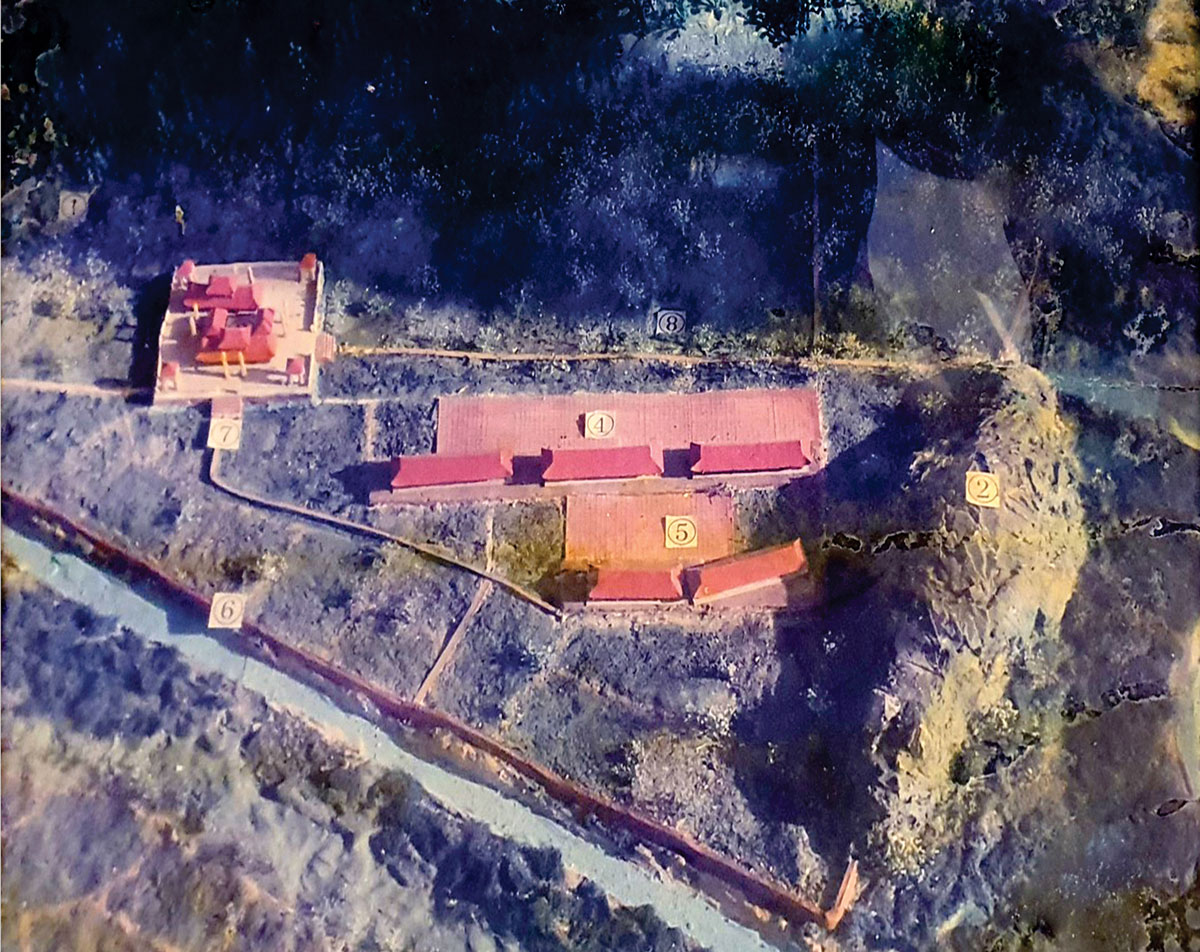
Phuong Hoang Trung Do Citadel was built between 1788 and 1792, depending on the natural terrain. Structurally, the citadel has two rings: the outer citadel and the inner citadel. The outer citadel has a trapezoidal shape, circumference of 2,820m, area of 22ha, wall 3 – 4m high, outside has a moat 3m wide, 3m deep. The citadel wall was built in combination with mountain cliffs as natural ramparts. The outer citadel has 3 gates: Tien gate (South), Ta gate (East) and Huu gate (West). The inner citadel was built of bricks made of terracotta and laterite, with a circumference of nearly 1,680m and a height of 2m; Large doors open to both East and West directions. In the inner citadel, there is a large multi-storied house, 3 floors high, in front there are three-step staircase by laterite, in the back there is a corridor connecting to Thai Hoa Palace used for holding court.
Unfortunately, in September 1792, King Quang Trung suddenly passed away. At that time, Phuong Hoang Trung Do was basically completed, but the King had not yet had time to move the capital from Phu Xuan to Nghe An. King Quang Trung’s successor, Canh Thinh – Nguyen Quang Toan, did not move the capital as advised by his father King Quang Trung but remained based in Phu Xuan. Phuong Hoang Trung Do Citadel was gradually forgotten and became ruins.
Although Phuong Hoang Trung Do was not officially the capital and had a short and unfortunate fate, it was the passion of King Quang Trung and had great significance in a period of Dai Viet’s turbulent history, demonstrating the King Quang Trung’s vision and aspirations for a peaceful, unified, and prosperous country
Materials: Phuong Hoang Trung Do – the connection of the past with the present; New Hanoi Newspaper (December 5, 2019)
Diagram of Phuong Hoang Trung Do citadel
Painting of the Tay Son family’s genealogy chart
Mr. Ho Phi Phuc gave birth to three children, Nguyen Nhac, Nguyen Hue, and Nguyen Lu
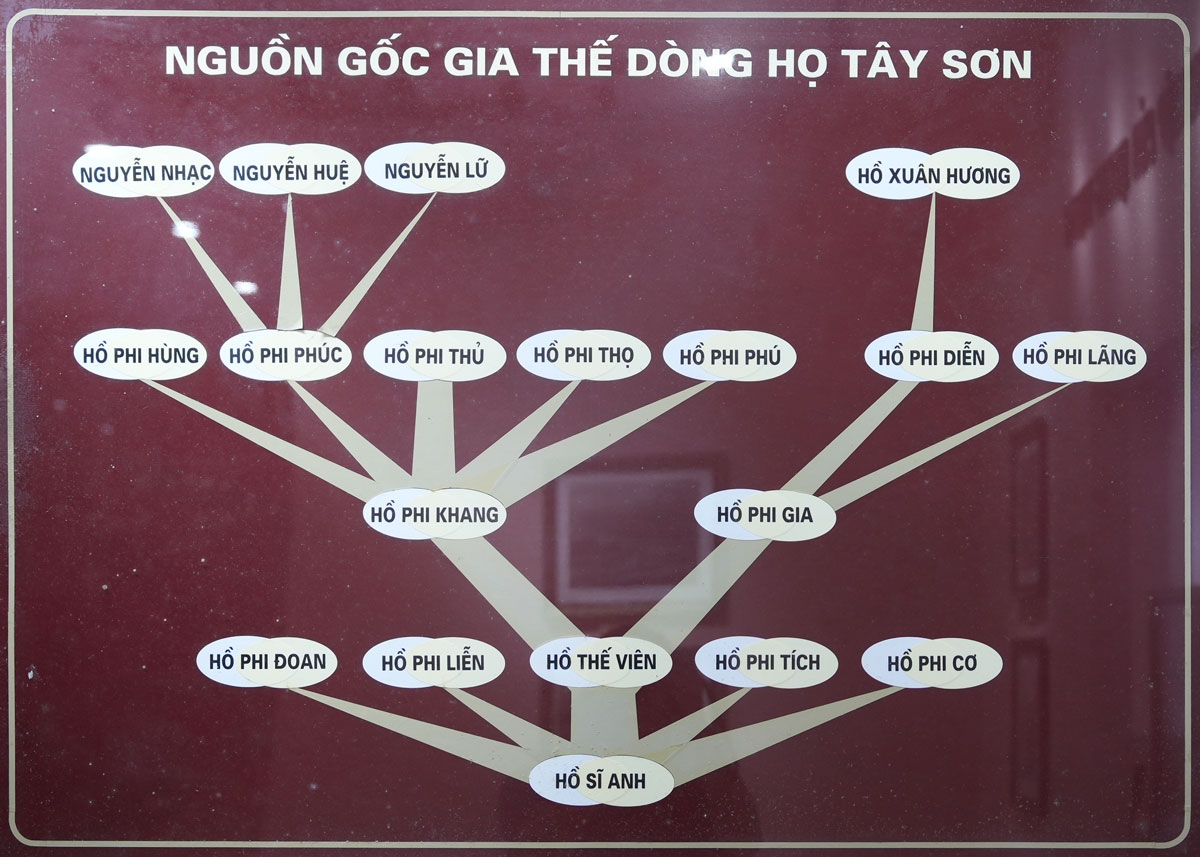
The Tay Son family was originally the Ho family, they settled in NGHE AN. The 4th generation ancestor of Quang Trung – Nguyen Hue was Ho Si Anh in Thai Lao village, Hung Nguyen district, Nghe An province, who was captured by Lord Nguyen and brought to Dang Trong to explore the Upper Tay Son region. The descendant of Mr. Ho Si Anh in Binh Dinh is Mr. Ho Phi Phuc, who was ambitious, wise, and clever, both farming and trading betel and areca, and married Mrs. Nguyen Thi Dong, who is the only daughter of a rich man in Kien Thanh hamlet, Tuy Vien district, Quy Nhon district (now Phu Phong town, Tay Son district, Binh Dinh province). In order for their son to inherit the property and take care of the incense sticks for his mother’s side, Mr. and Mrs. Ho Phi Phuc changed the family names of their three children to their mother’s family name, Nguyen family; Nguyen Nhac, Nguyen Hue and Nguyen Lu
Materials: Tay Son Museum – Binh Dinh
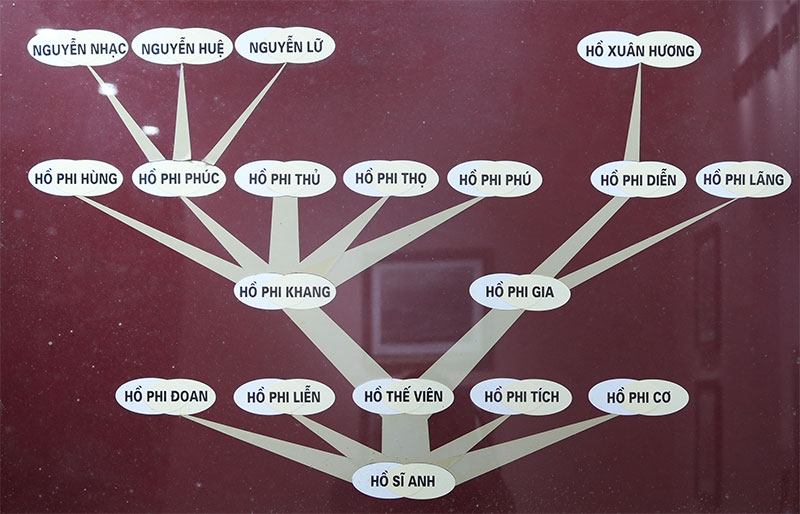
Painting of the Tay Son family’s genealogy chart
An Khe Truong painting
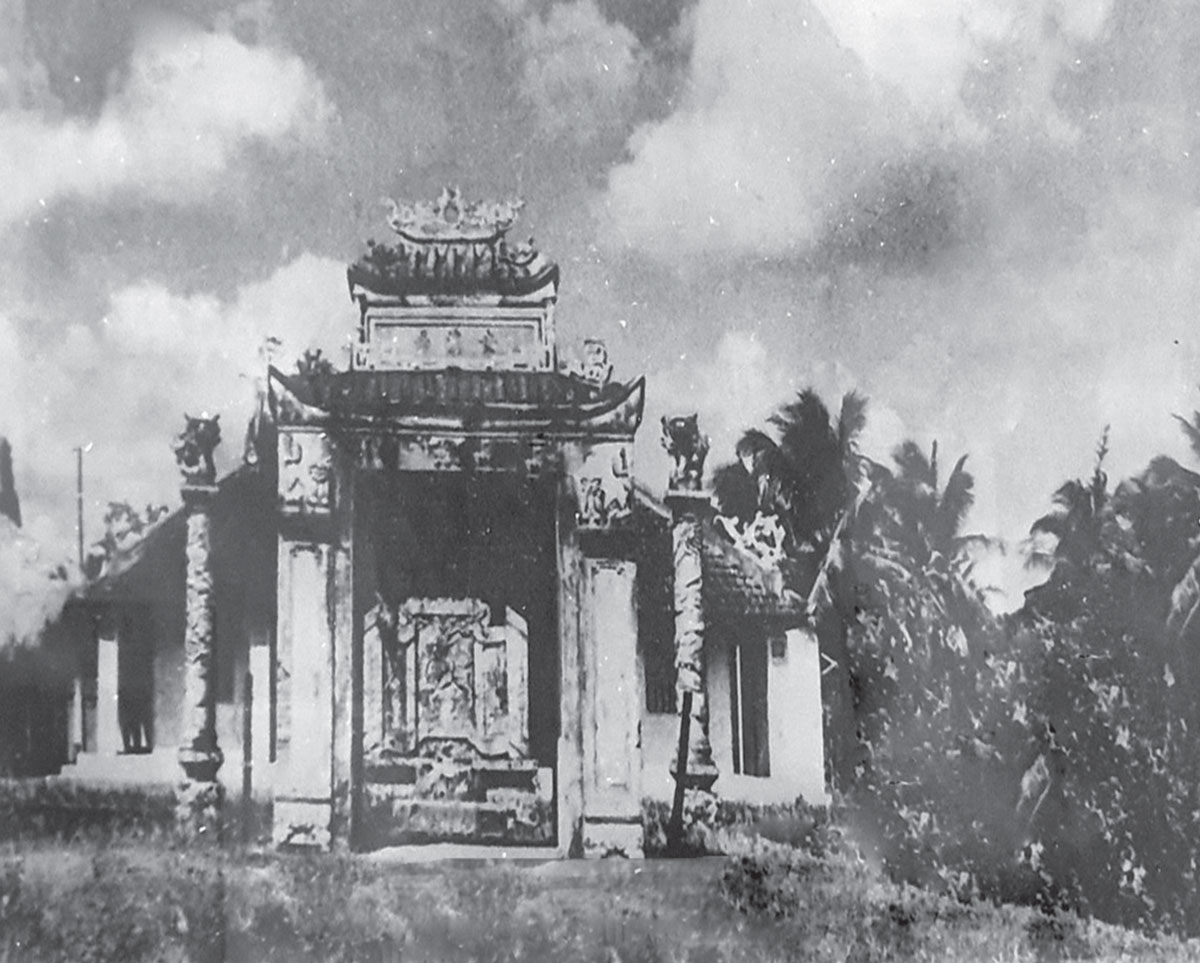
An Khe Truong painting: One of the first bases of the Tay Son insurgent army
An Khe Truong painting
A royal edict of Quang Trung in 1790 on translating classical Chinese texts into Vietnamese script
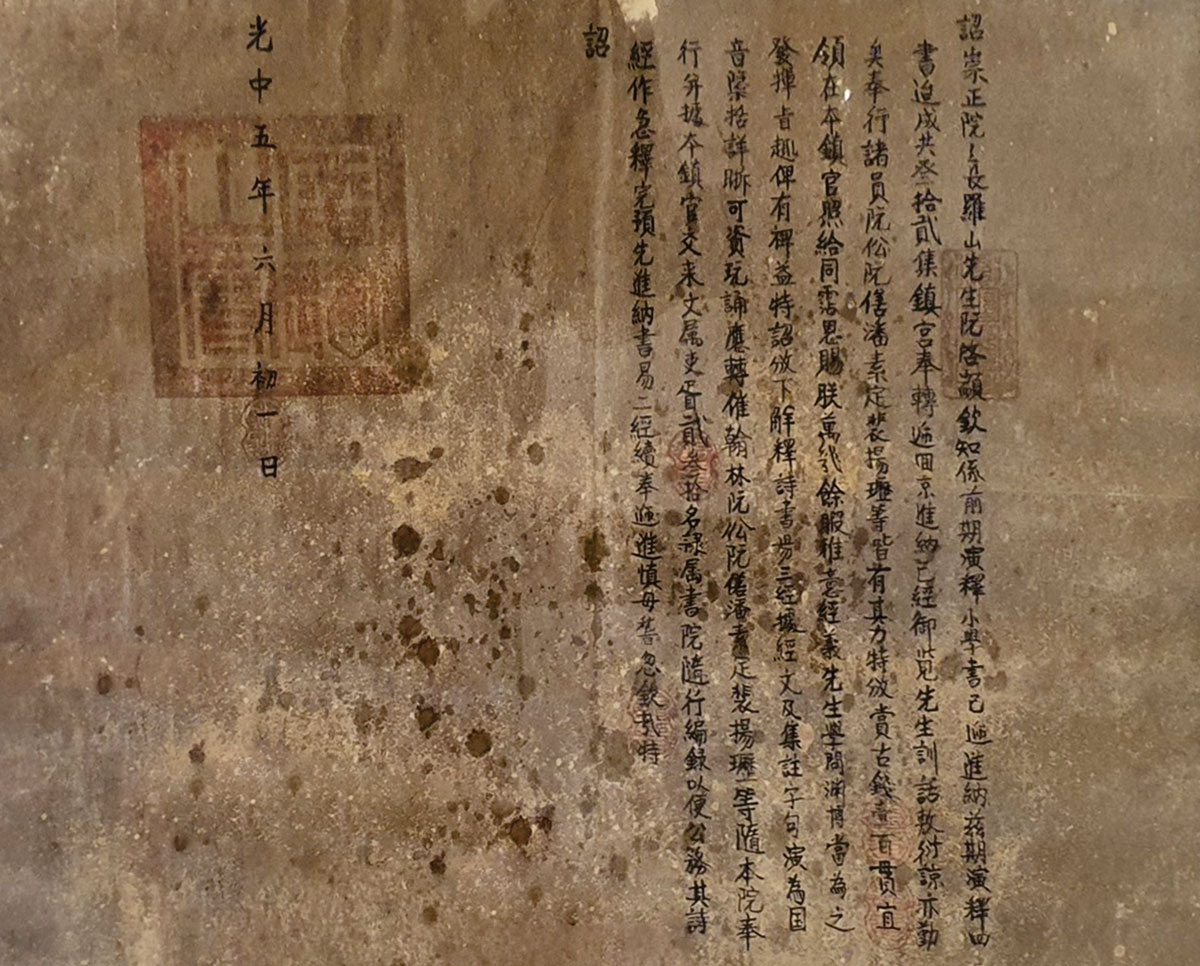
In 1790, although he was still very busy, he immediately opened the Huong exam (with Nguyen Thiep as Chairman of the examiners’ board) to select talented people. Also in the same year, King Quang Trung promulgated the “Chiếu lập học” (Royal Edict on the establishment of education) to restore and develop educational culture. He always values Nom script and Vietnamese culture, encourages traditional cultural and artistic activities
A royal edict of Quang Trung in 1790 on translating classical Chinese texts into Vietnamese script
Painting of King Quang Trung commanding the Ngoc Hoi battle
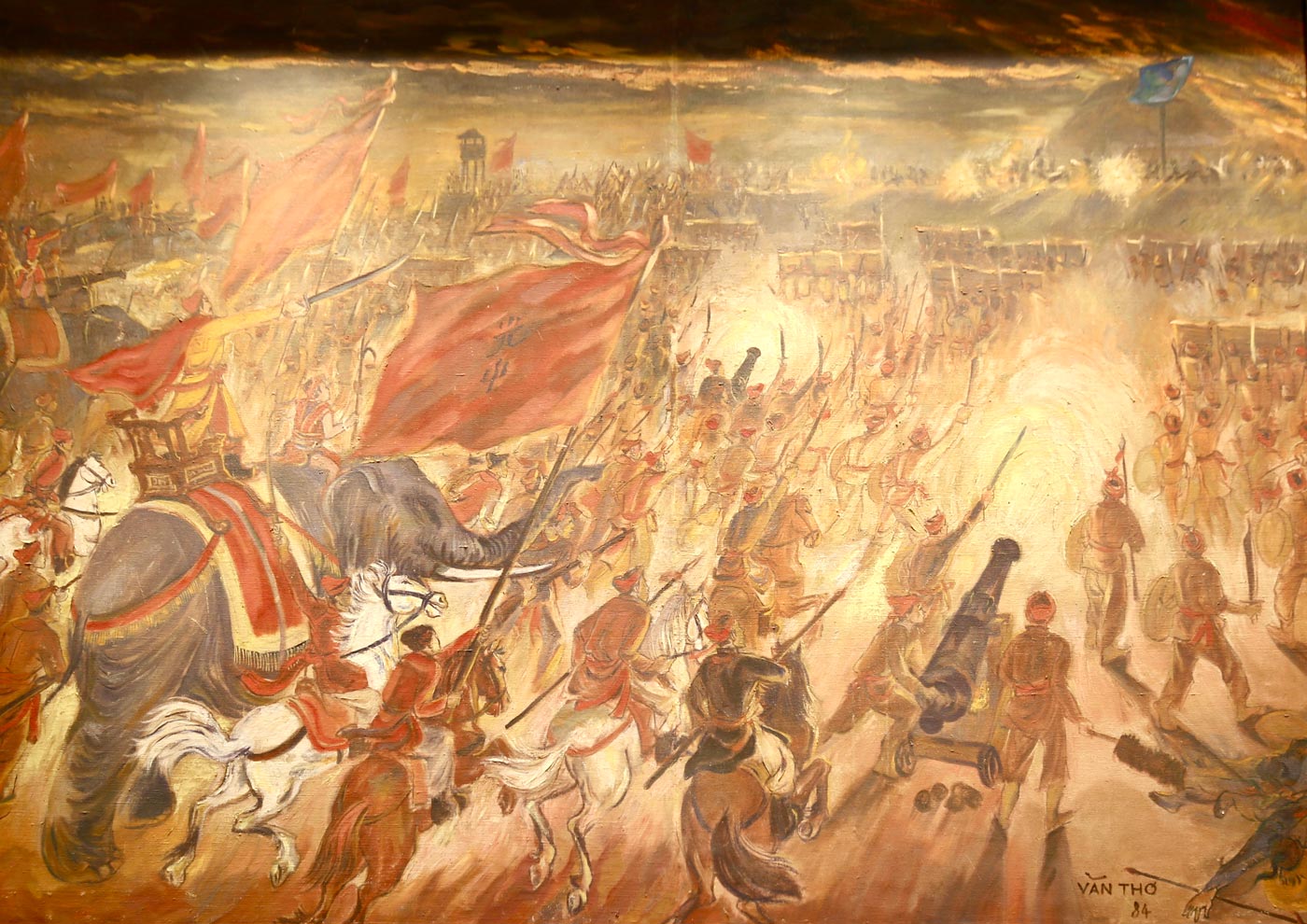
Painting of King Quang Trung commanding the Ngoc Hoi battle
Diagram of Dong Da battlefield area
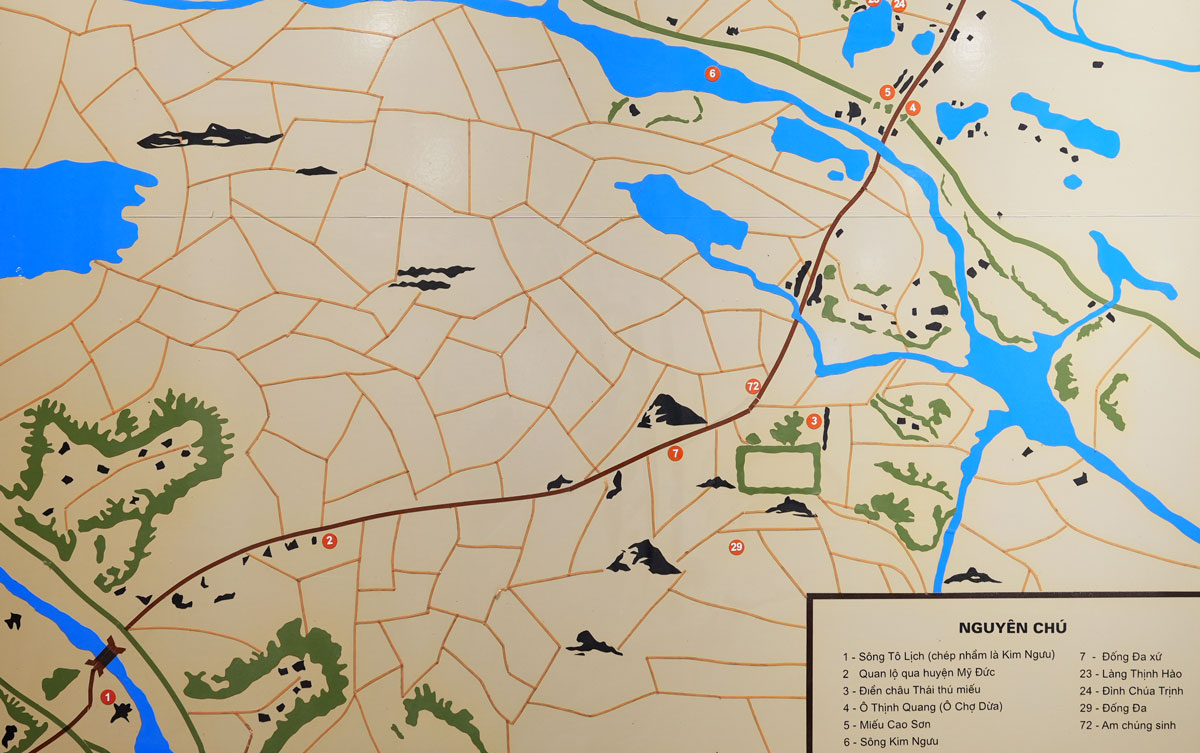
Diagram of Dong Da battlefield area
Painting of Elephant training ground
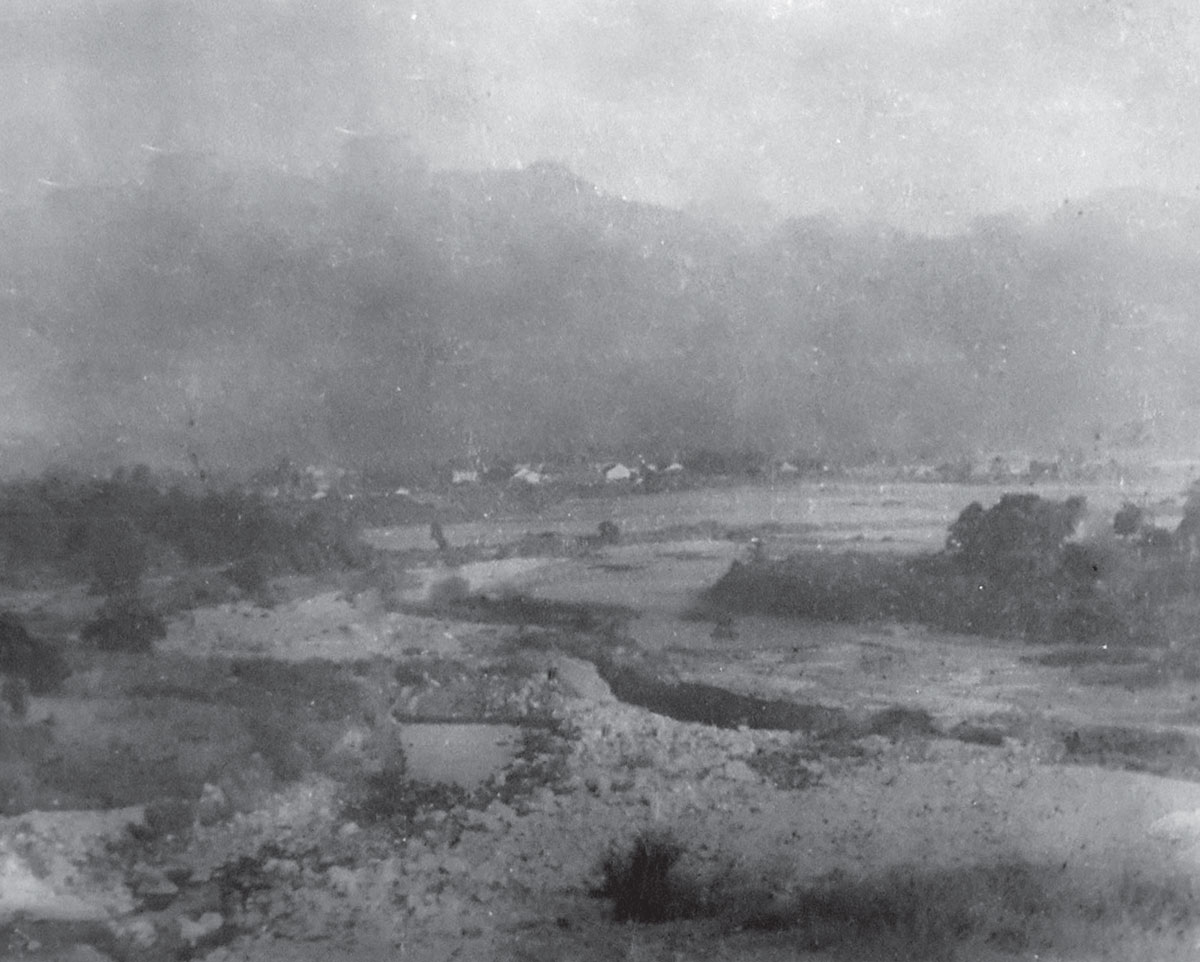
Painting of Elephant training ground: Where female general Bui Thi Xuan used to practice fighting elephants
Painting of Elephant training ground
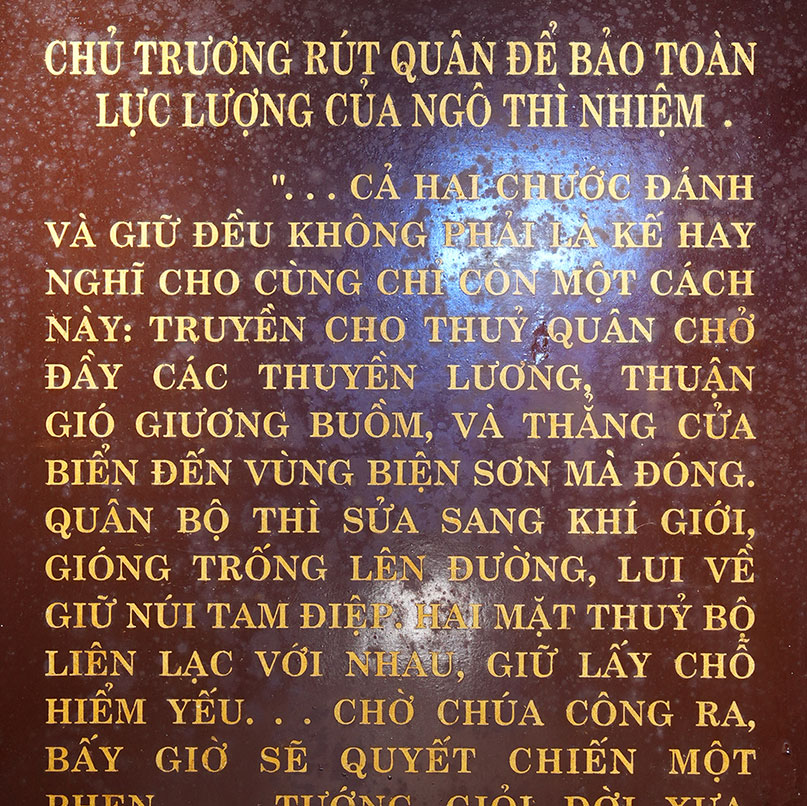
Ngo Thi Nham’s retreat policy
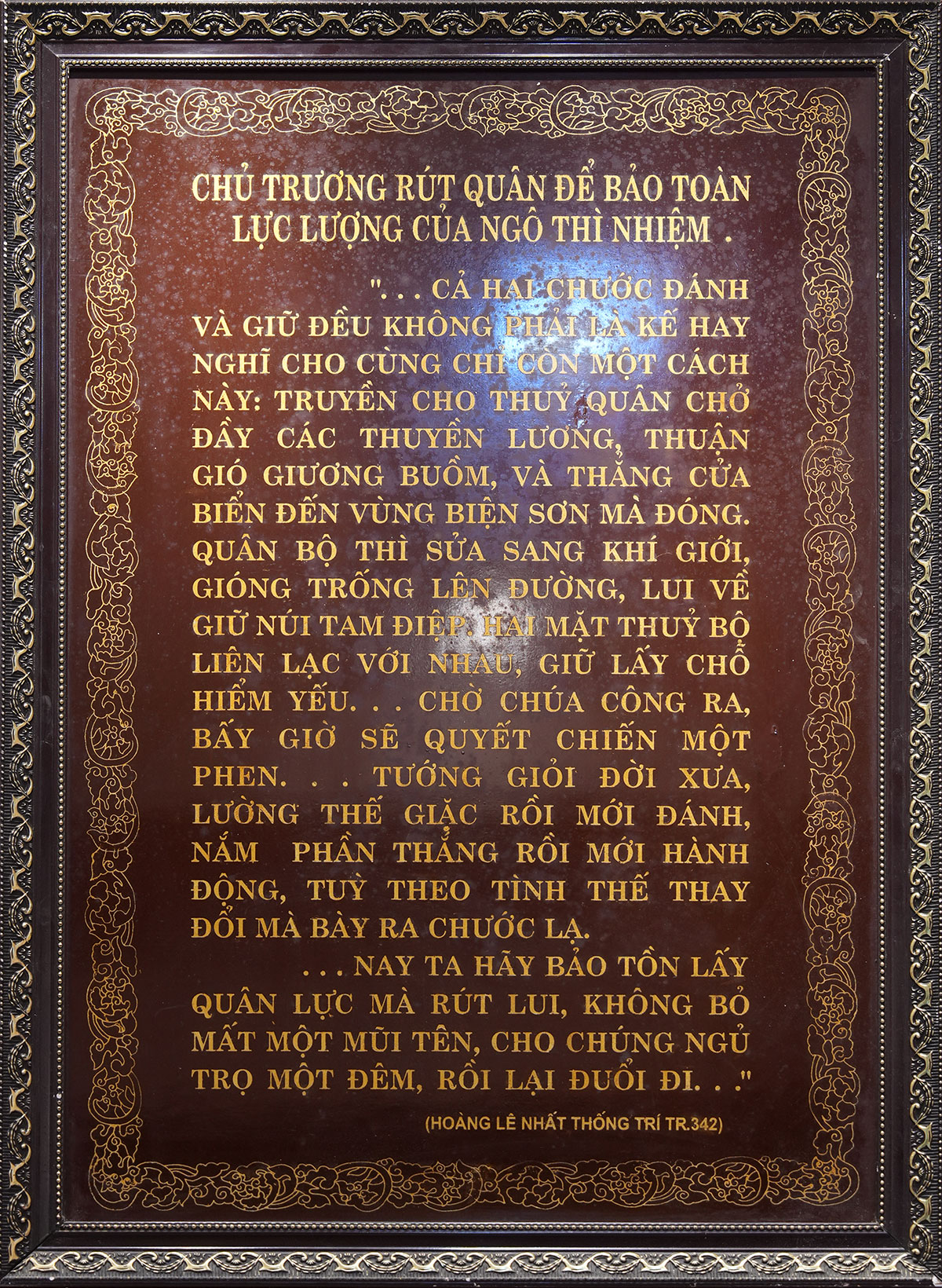
When the Qing army invaded, Ngo Thi Nham had a good plan: retreating the Navy to Bien Son, retreating the army to defend the Tam Diep line to preserve the force, he advocated “Both sides fighting and holding are not a good plan. In the end, there is only one way to tell the Navy to load the ships with provisions, smoothly set sail, and go straight to the seaport to the Bien Son area to station troops. The soldiers prepared their weapons, sounded drums, and headed back to defend Tam Diep mountain. The two sides, the navy and the army, contacted each other, held key positions and waited for the lord to come, then we would fight decisively. The good generals of ancient times anticipated the enemy’s position before fighting, grasped the victory and then acted, and planned ahead according to the changing situation. Now we will preserve our military strength and retreat without losing a single arrow. Let them stay overnight and then chase them away”
Excerpted from Hoang Le Nhat Thong Chi – p342
Ngo Thi Nham’s retreat policy
Tamarind Tree – Old Well Painting
Tamarind Tree – Old Well Painting: Ancient tamarind tree, ancient Old Well of Tay Son brothers’ house
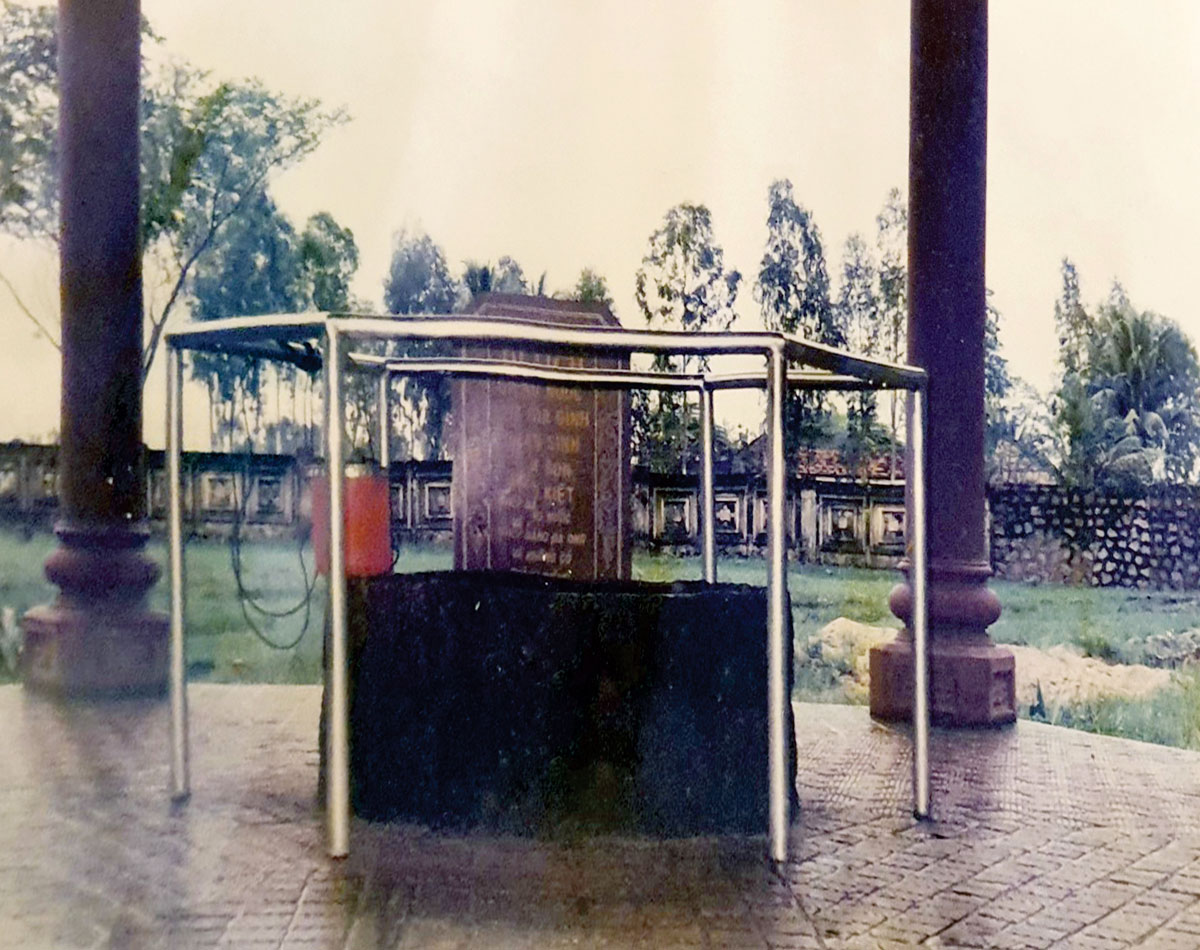
The relic “Old Well” is made of laterite, 0.9m in diameter, and the well wall is 0.8m high. In 1998, the house was built with an ancient roof, hexagonal shape, length of each side 3.45m, the roof was filled with concrete covered with scale tiles, the well wall was protected by a hexagonal wooden frame stylized like bamboo eyes.
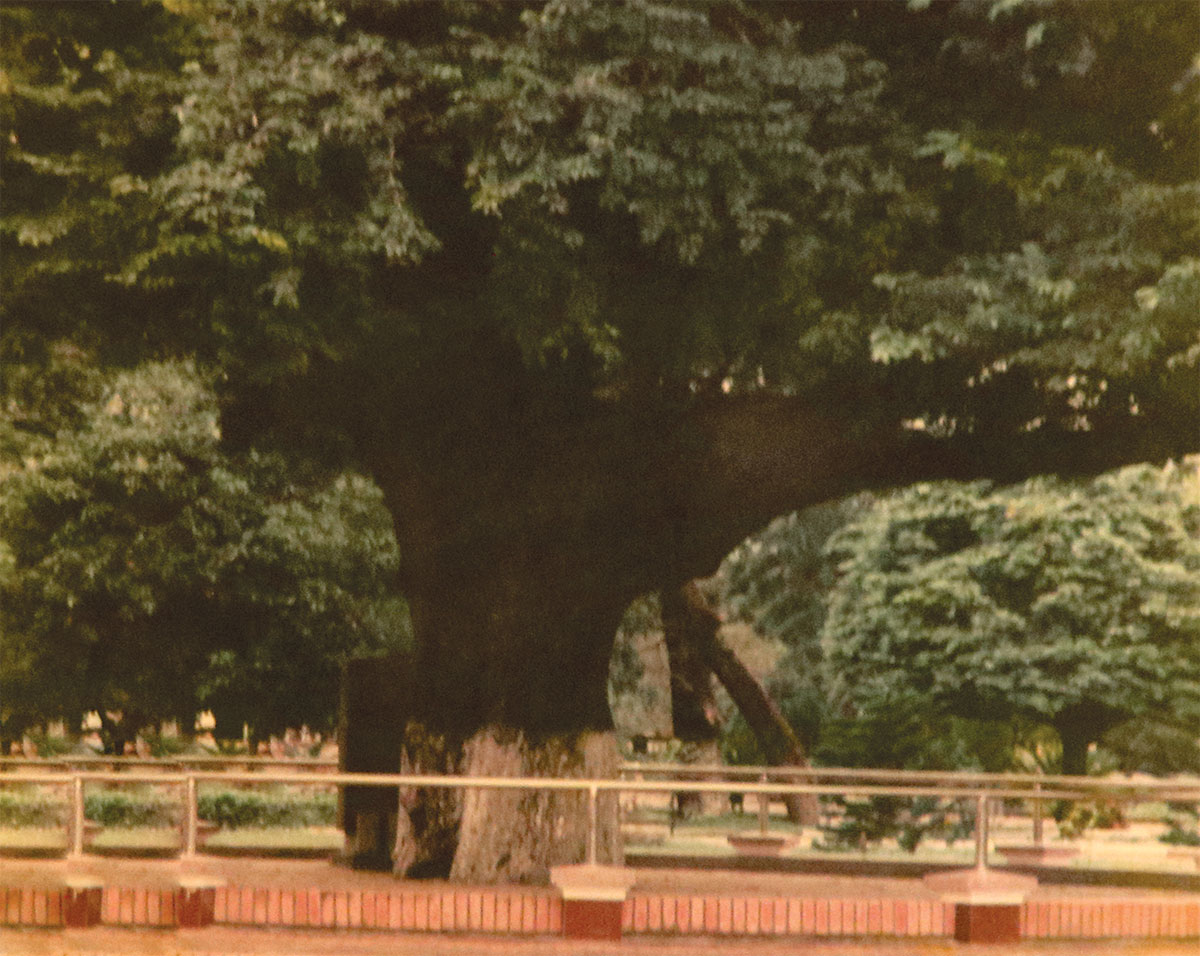
The tamarind tree is about 300 years old, with a tree base circumference of 3.9m, a canopy of up to 30m, dense branches and leaves, shading the entire corner of the garden. In addition to its long-term value and landscape creation, the tamarind tree also has special cultural and historical significance, symbolizing the vitality and longevity of the Tay Son movement in the hearts of the nation.
Materials:
– Historical site of Tay Son Brothers’ Temple – Website of the Ministry of Culture, Sports and Tourism, Department of Cultural Heritage (15/05/2024)
Tamarind Tree – Old Well Painting
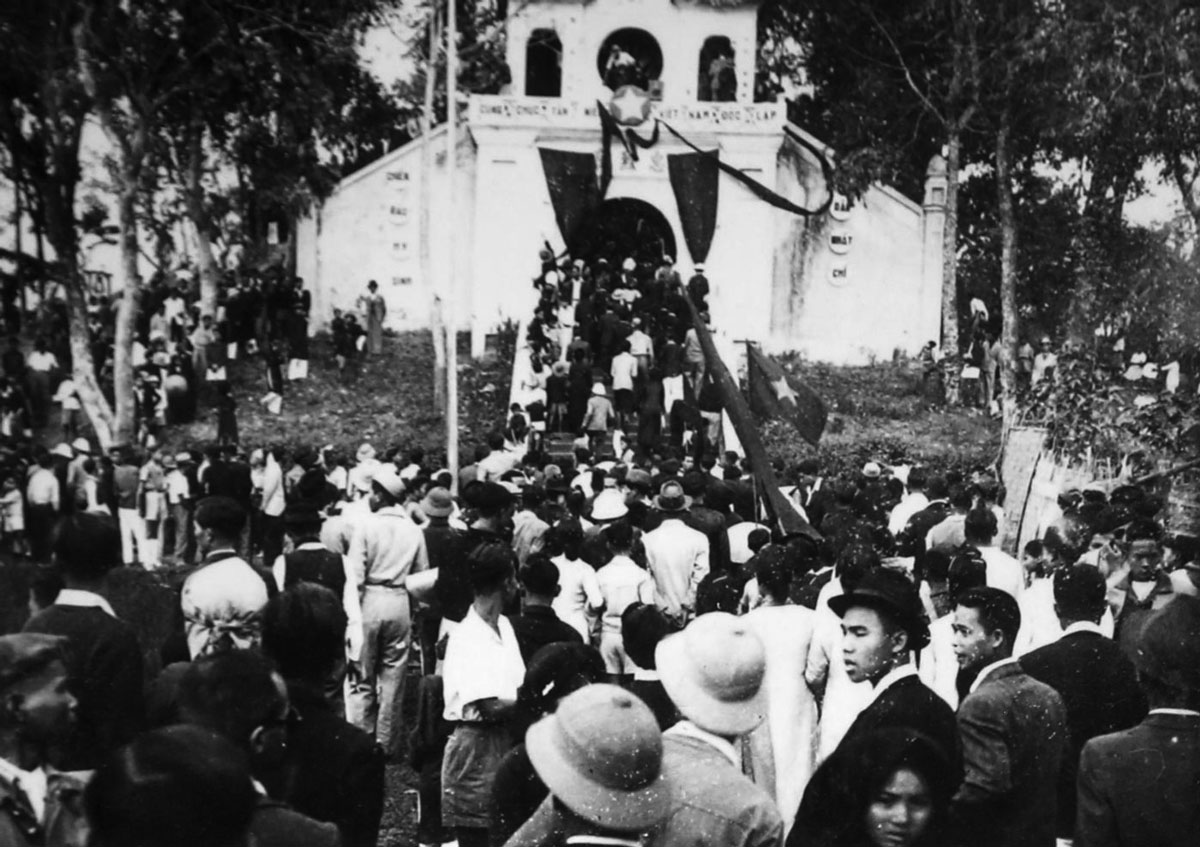
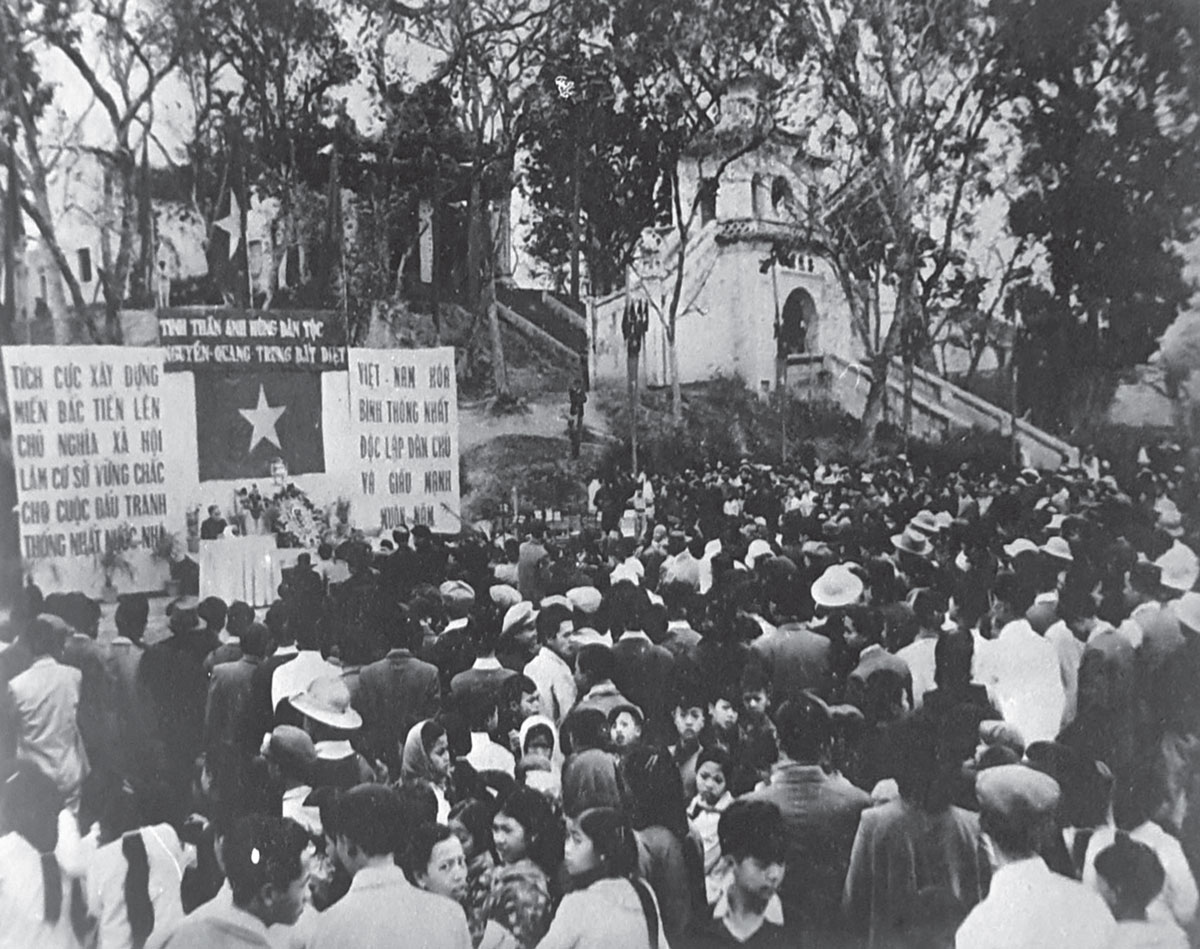
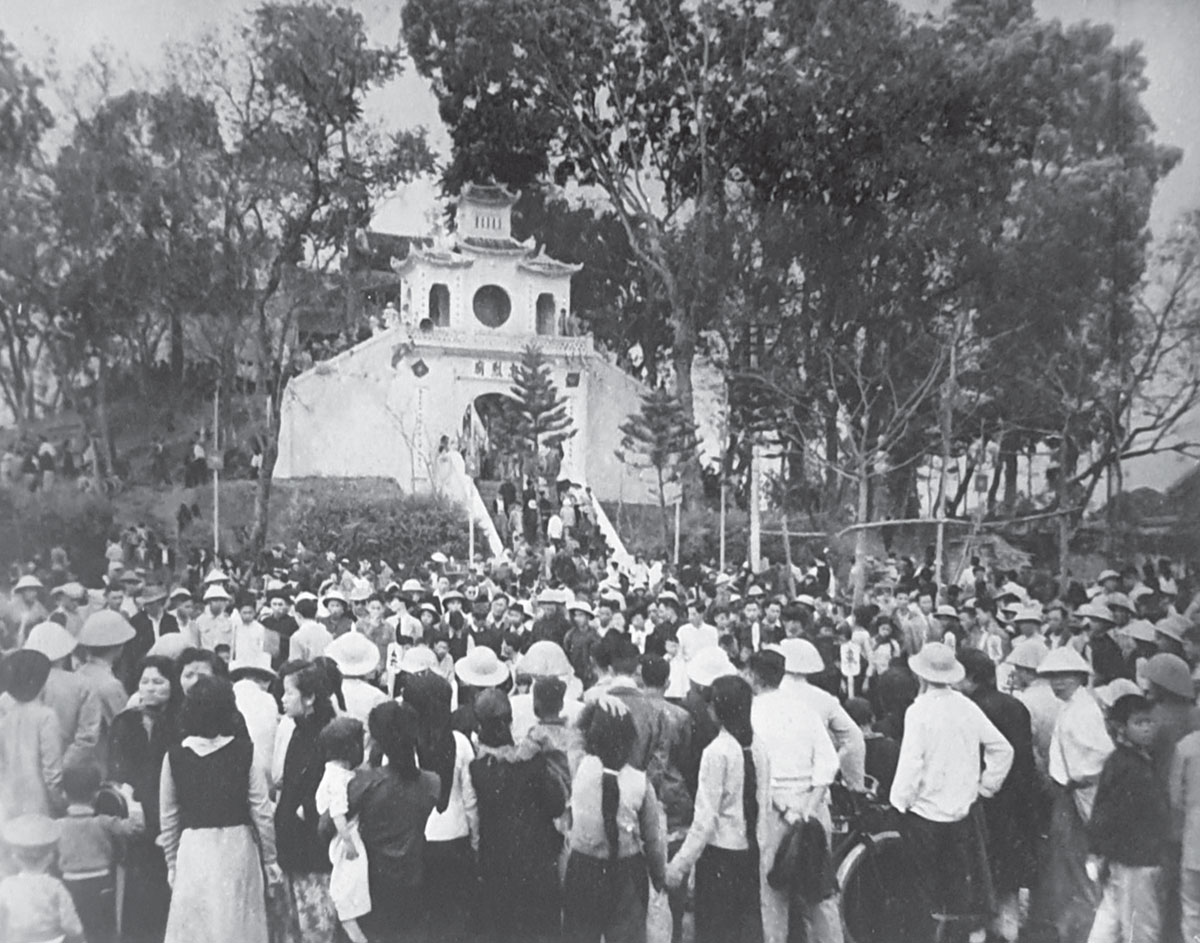
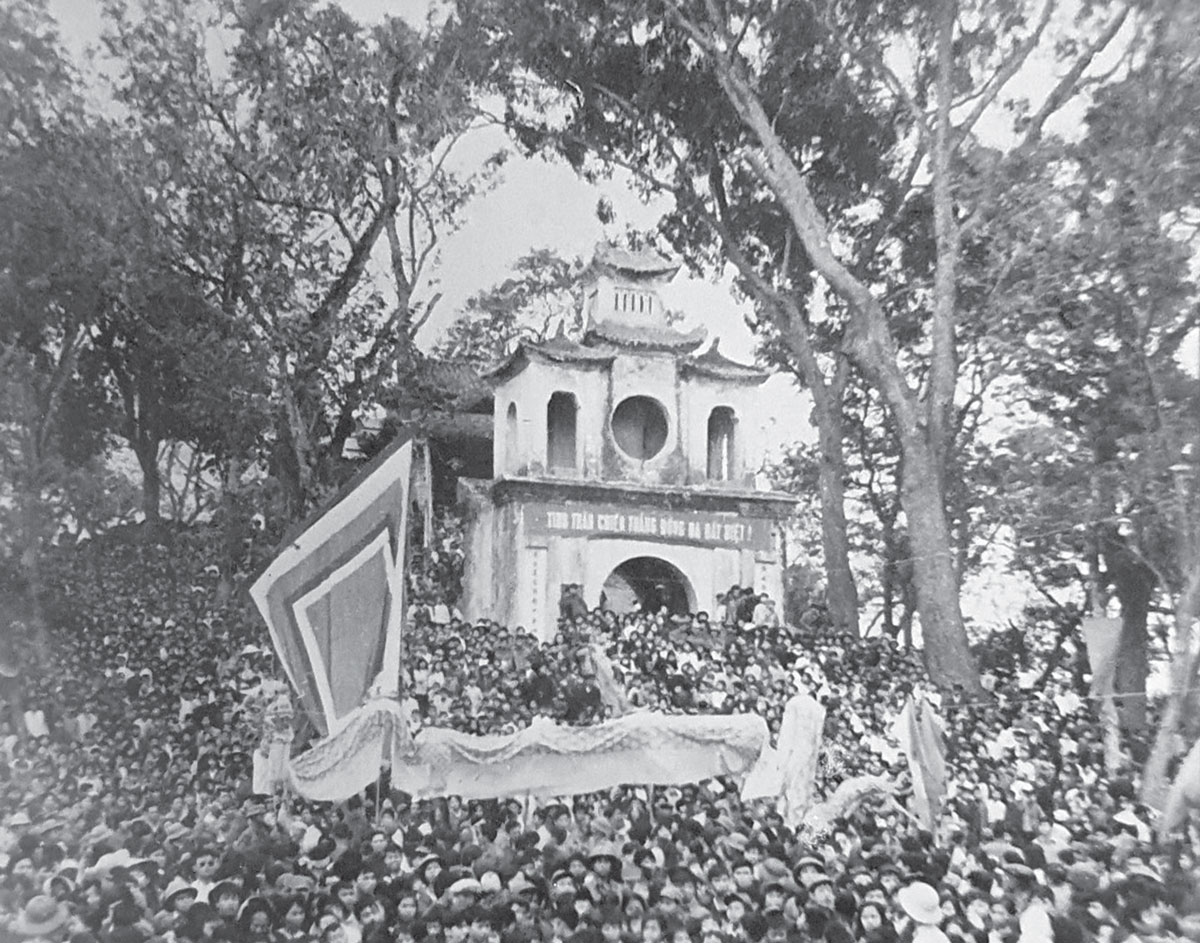
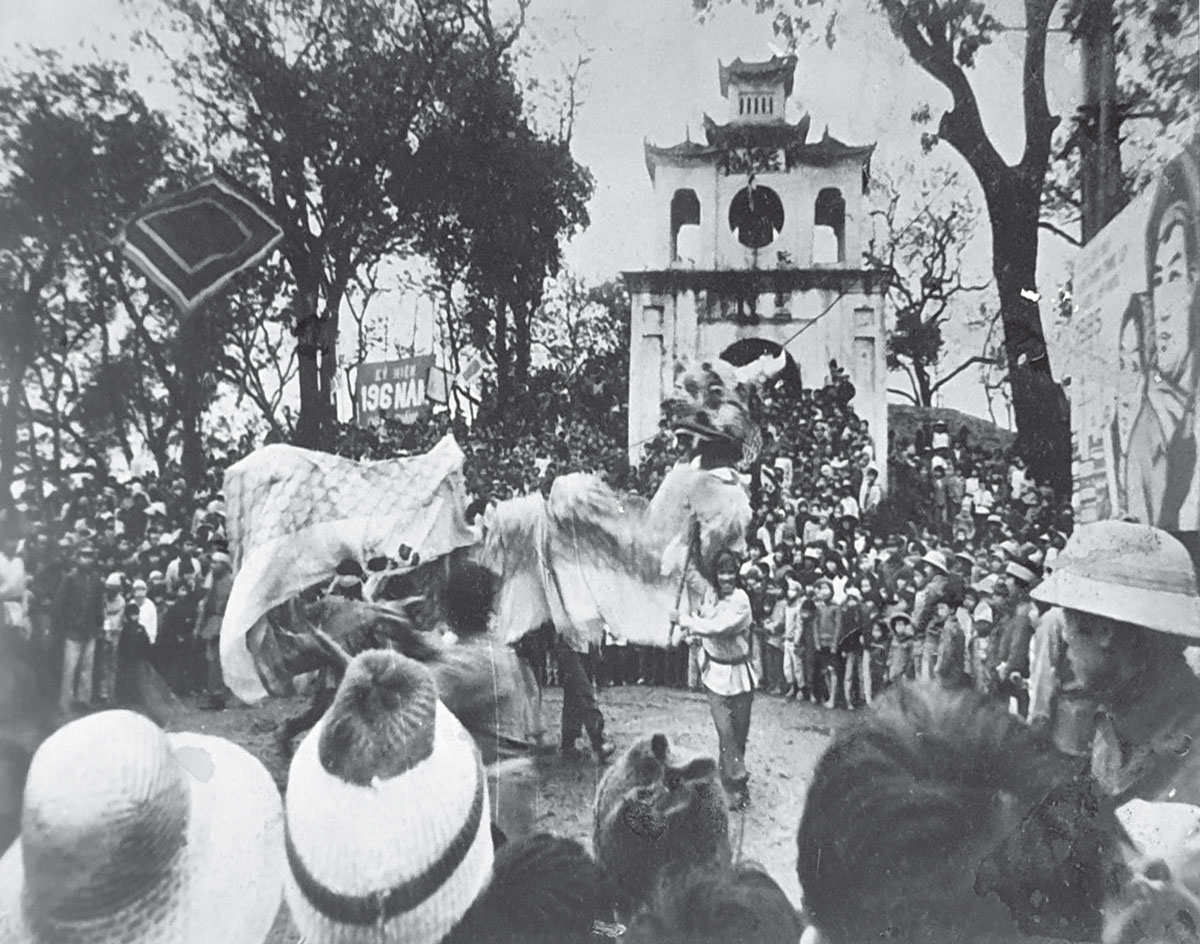
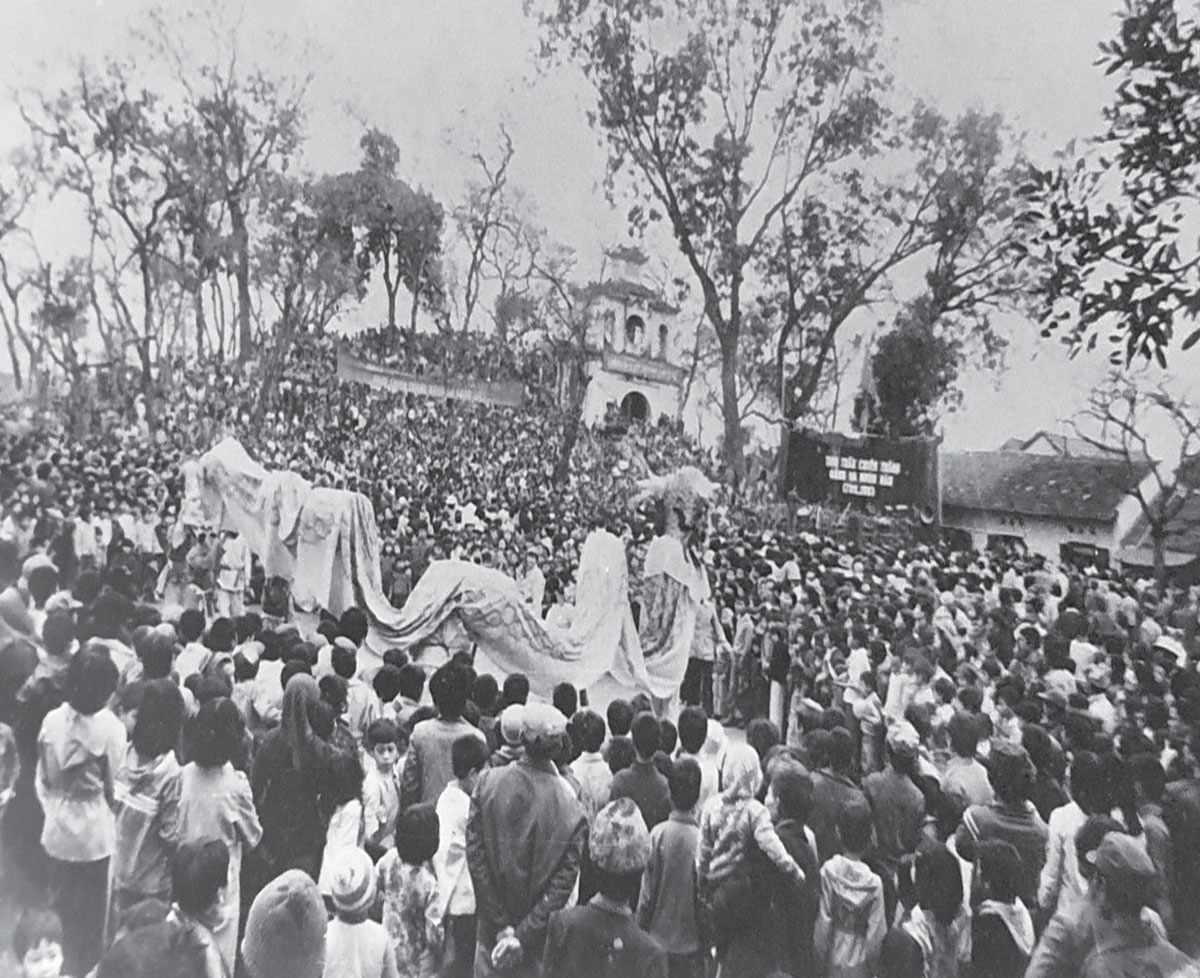
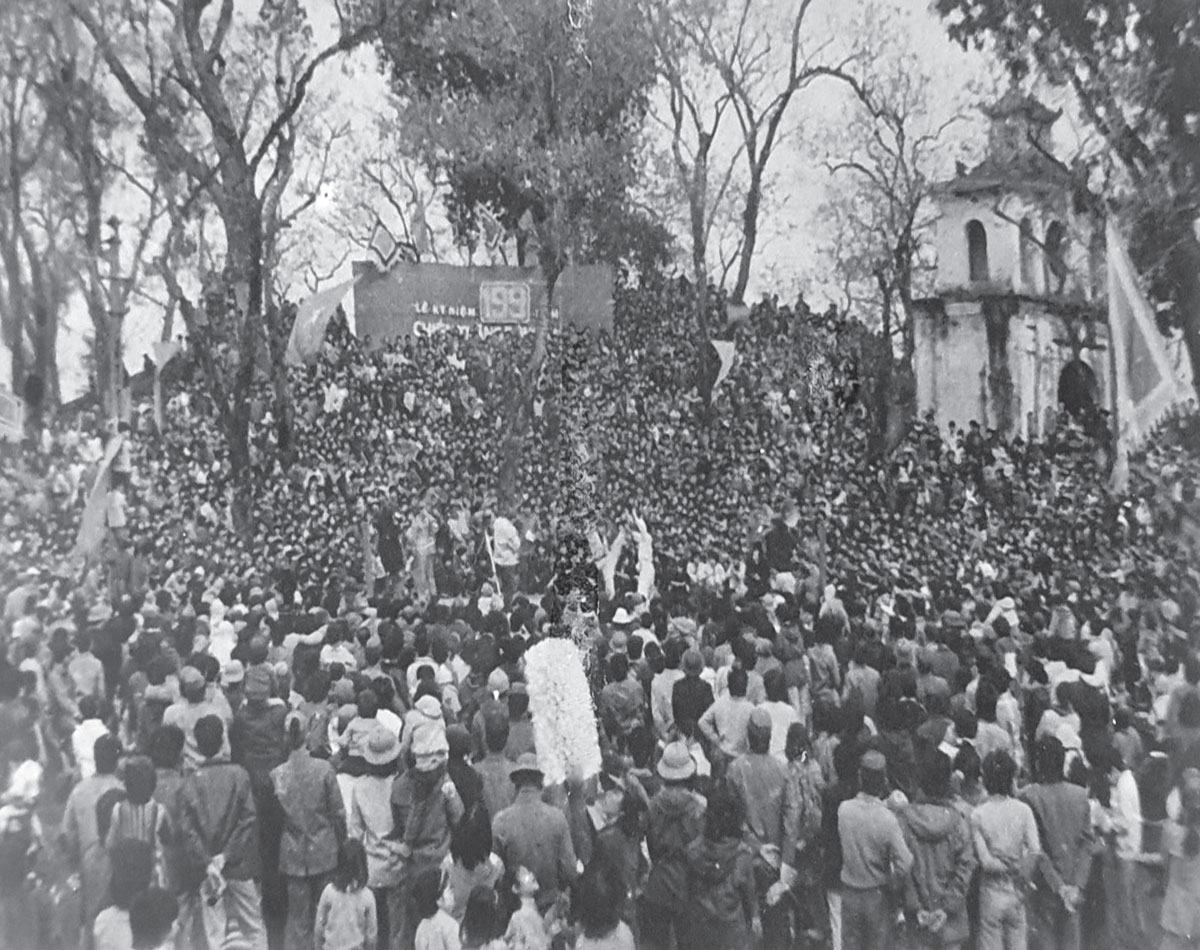
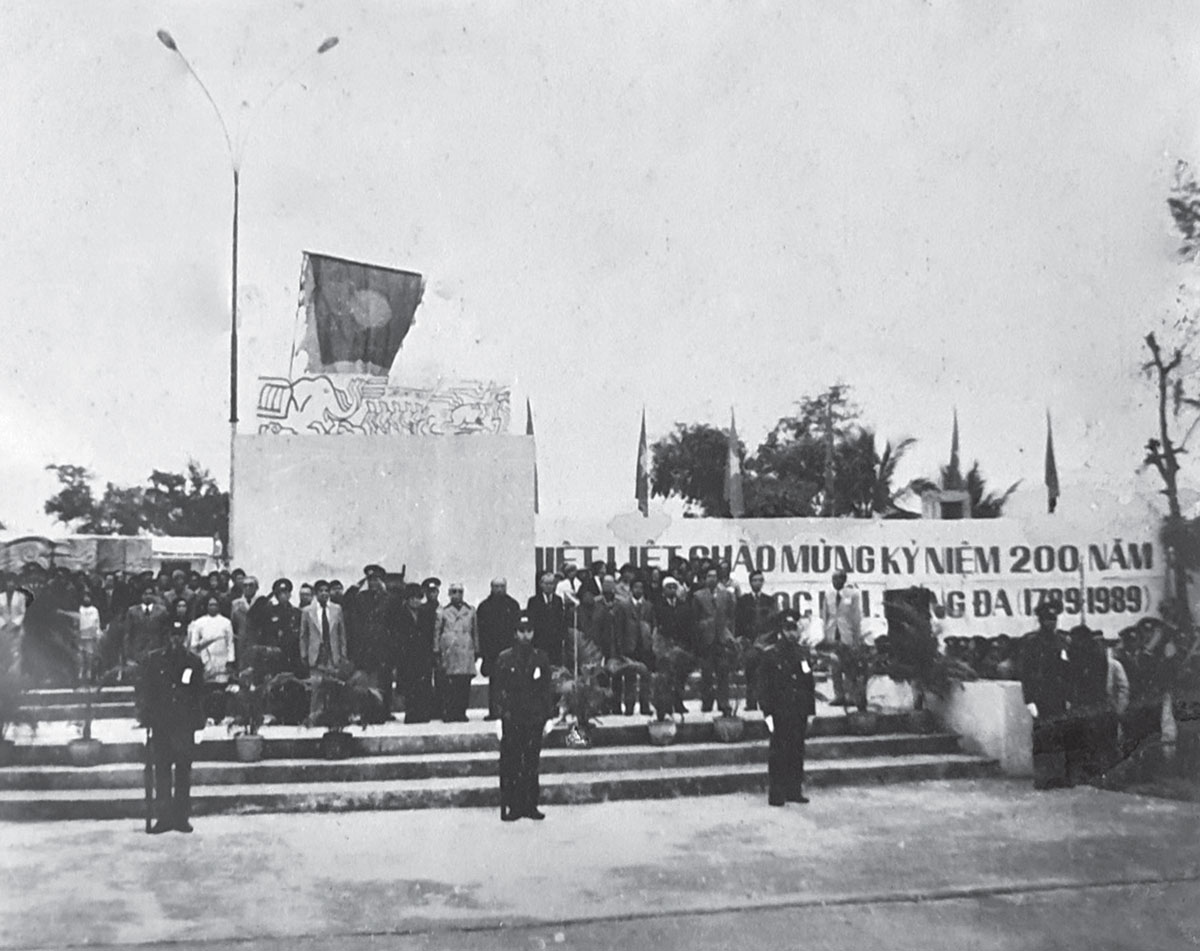
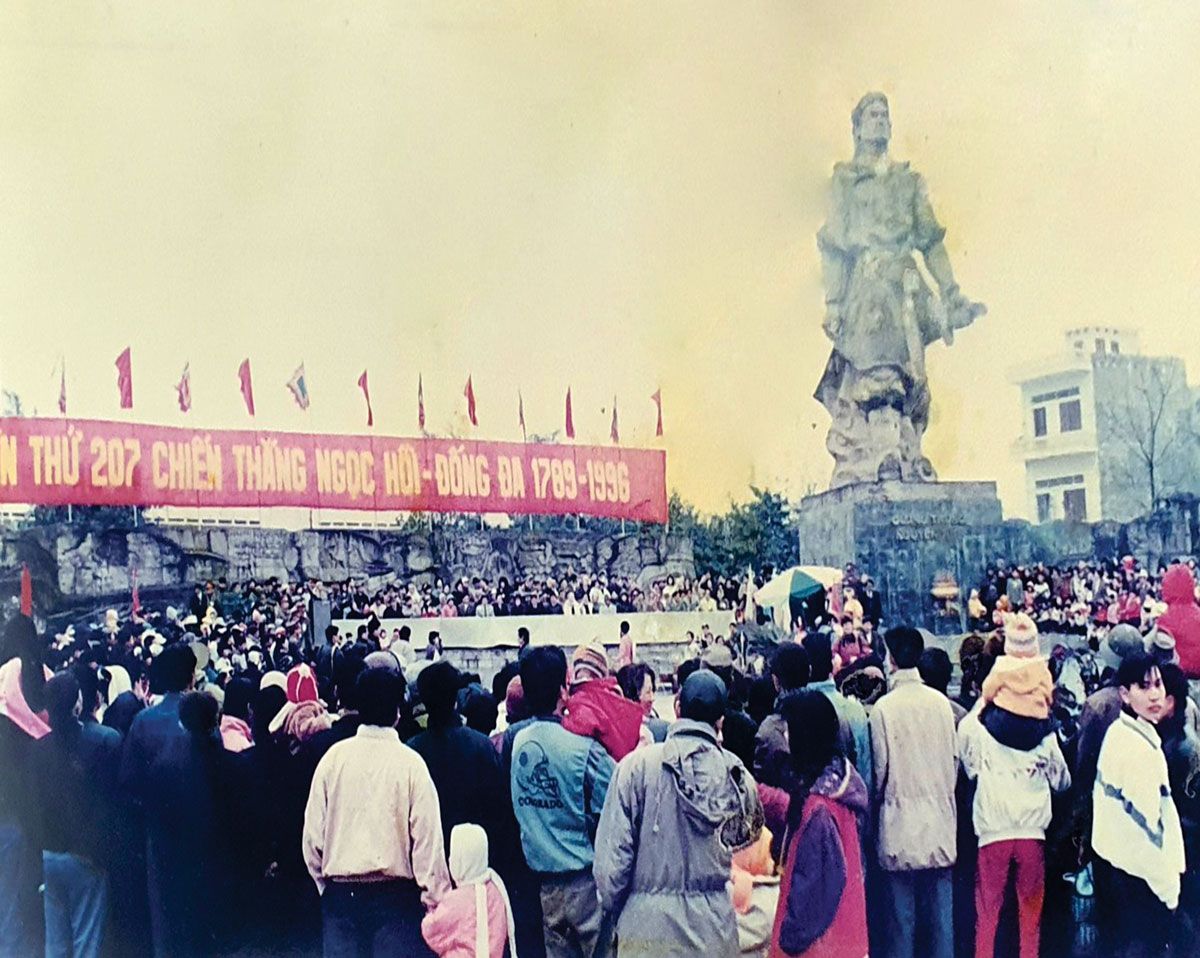
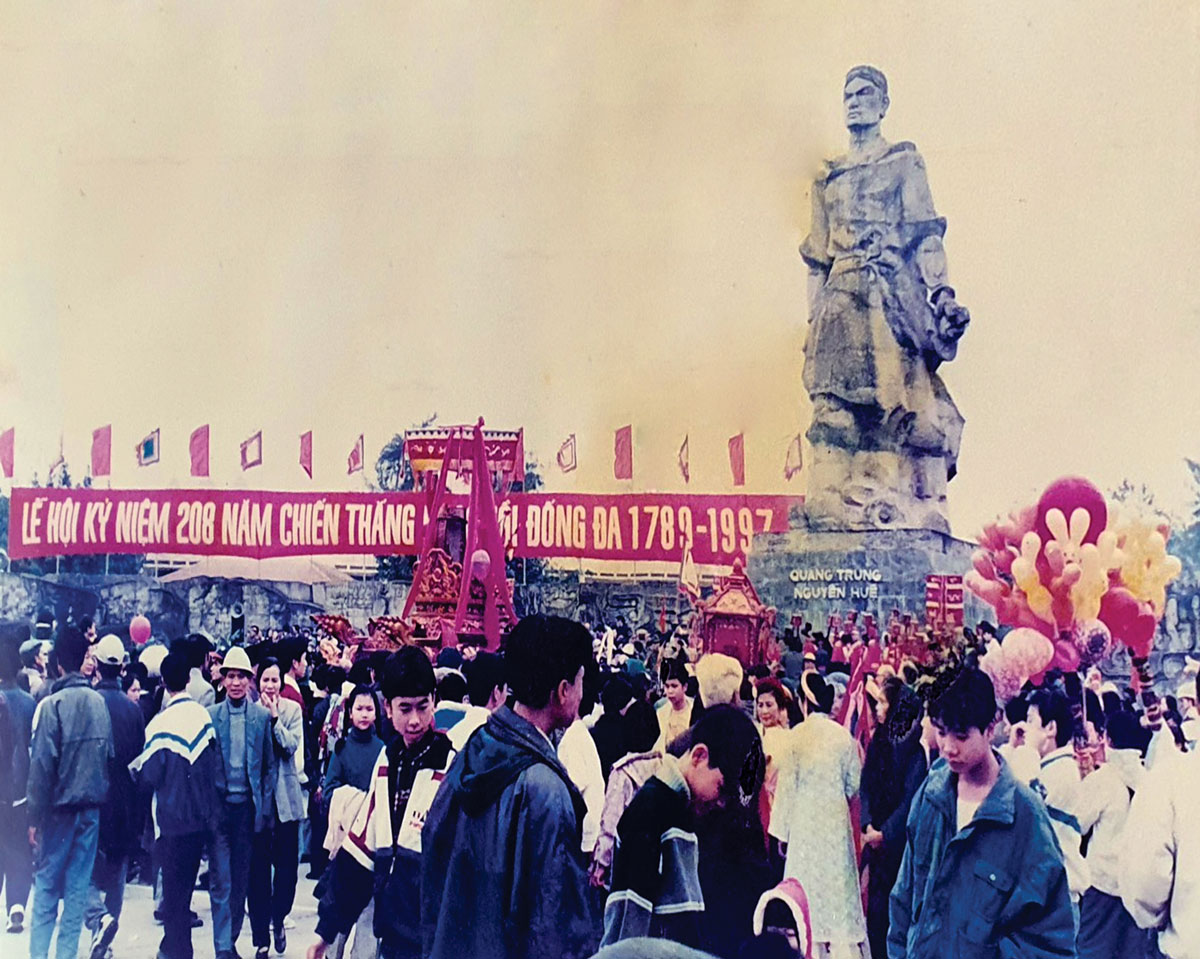
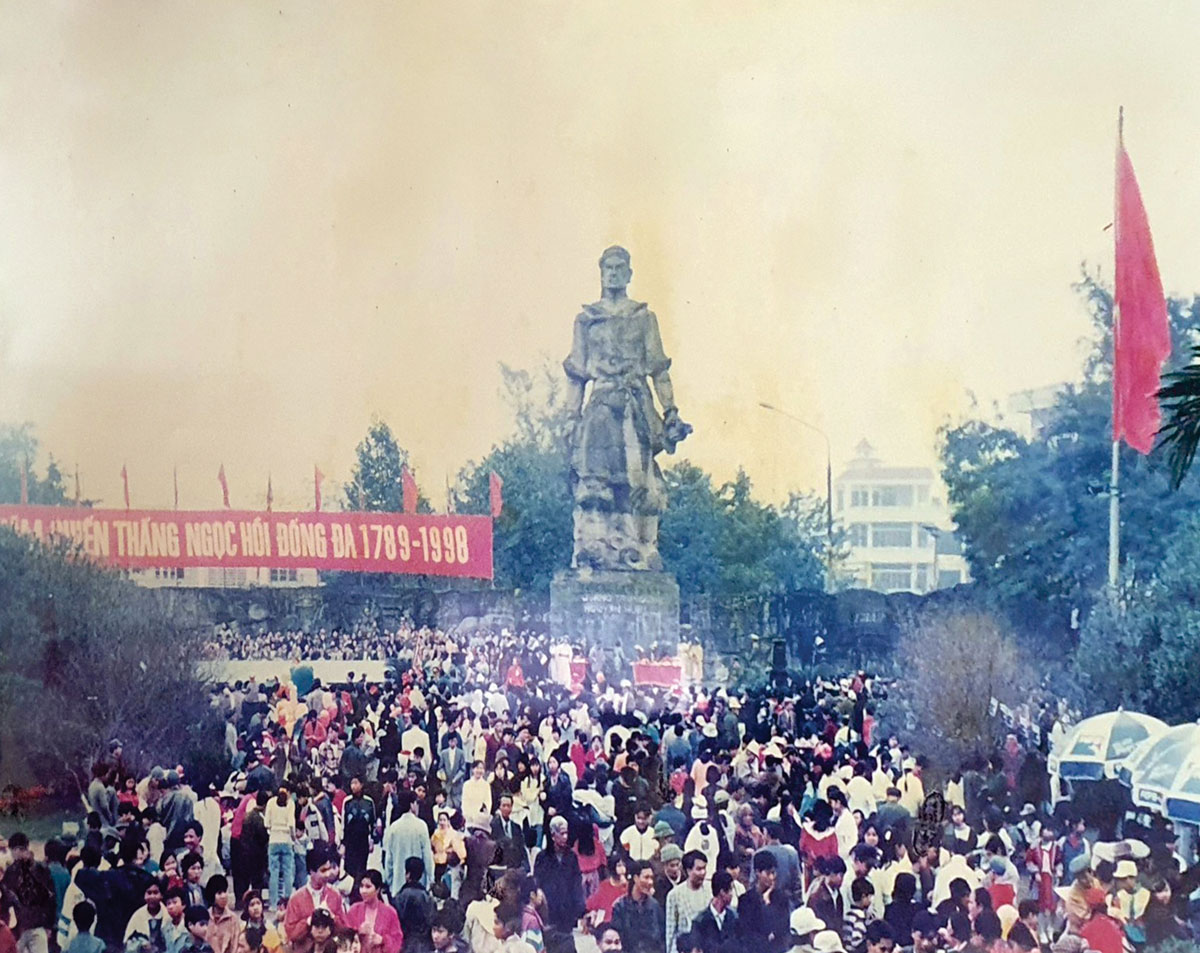
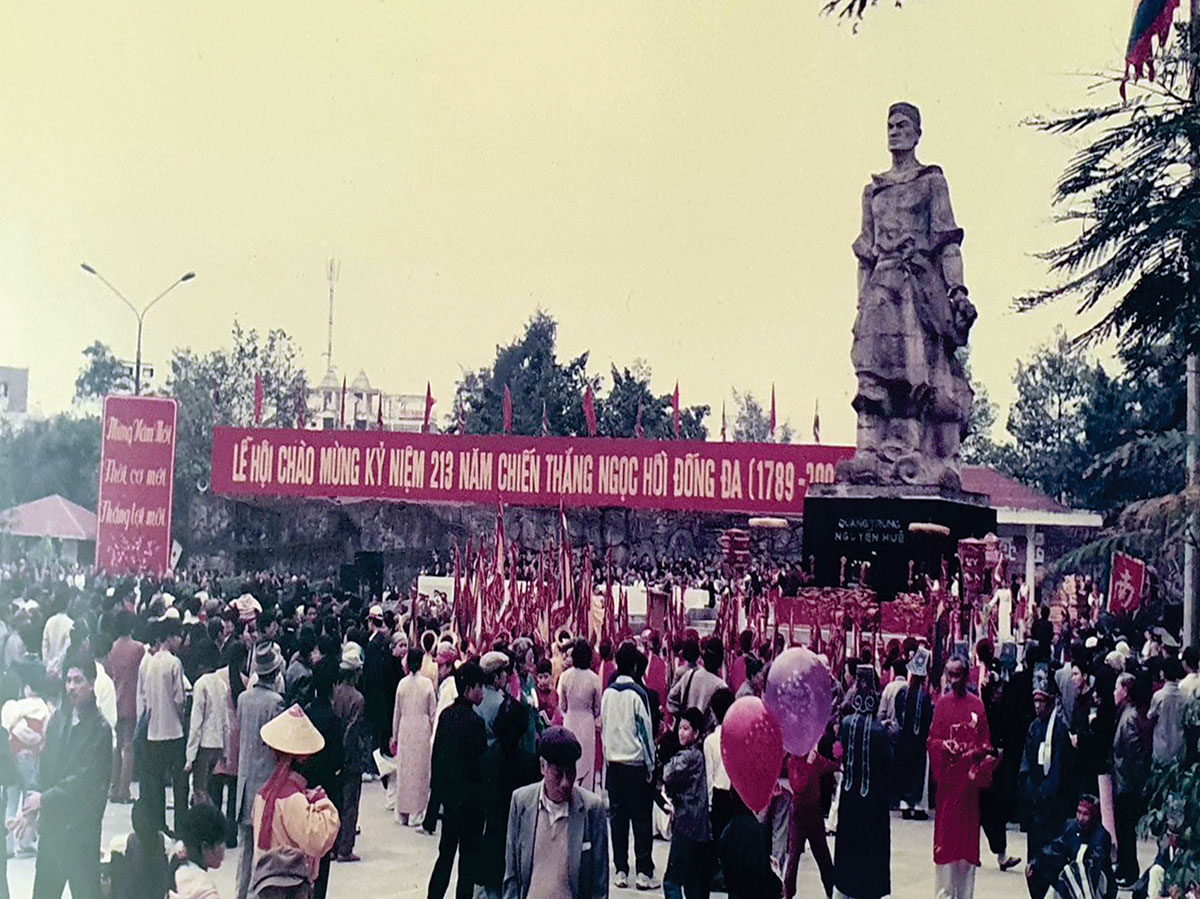
Photos of Dong Da Mound Festival in years
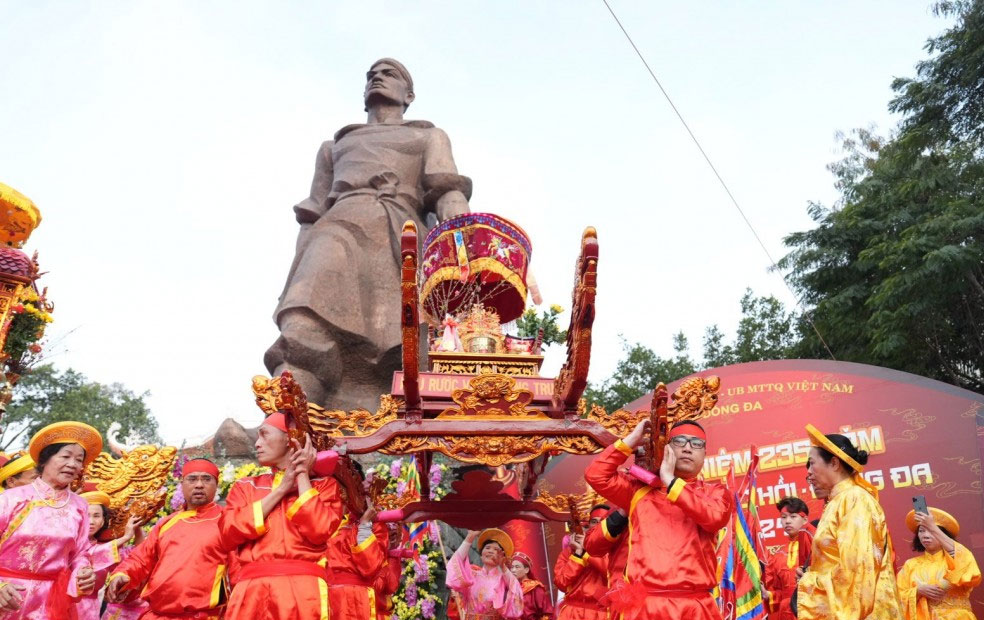
These are some pictures of the Dong Da Mound Festival held on the 5th day of Tet every year to preserve and promote the cultural spiritual values of the nation, continue the patriotic tradition, express deep gratitude to the generations who have sacrificed for the independence and freedom of the Fatherland; affirm the position, great stature, and great historical value of the Ngoc Hoi – Dong Da victory in the history of the struggle to build and defend the country of the Vietnamese people.